A Turquoise Lamp Can Change the Look of Jewelry on Your Dresser
A Turquoise Lamp Can Change the Look of Jewelry on Your Dresser
That is part of the appeal of a turquoise lamp. It is not a neutral object that disappears after it has been placed. Even a small ceramic lamp with a rounded base keeps a visible presence on a nightstand or console. The color sits somewhere between pool water, oxidized copper, and the green-blue seen in older glass bottles. Depending on the finish, it can feel cheerful or dusty, coastal or Southwestern, clean-lined or slightly nostalgic. The surface matters as much as the color. Glossy turquoise reflects a sharp little patch of light, while matte glaze absorbs it and makes the form feel heavier.
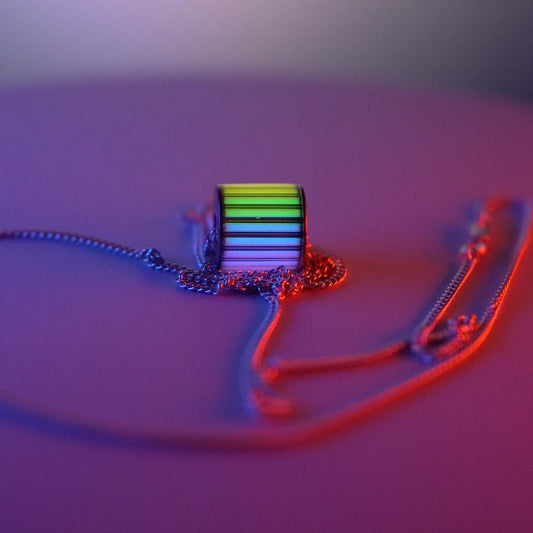
In a bedroom, the lamp often becomes part of the daily ritual of getting dressed. A necklace left beside it may appear more saturated than it did the night before. Thin chains show up clearly against the color, especially in yellow gold, while a turquoise pendant can blend into the base and reveal itself only when the light shifts. That small visual confusion is interesting. It prevents the jewelry from looking arranged for display. Pieces seem to belong to the room, then to the person wearing them.
The best turquoise lamps tend to have a little tension in their shape. A simple cylindrical base in such a strong color can look blunt and graphic. A turned ceramic body, with a narrow neck and a wider foot, makes the same color feel more domestic. Brass hardware changes the mood quickly. It warms the blue-green and ties the lamp to gold earrings, a watch, or a stack of slim bangles nearby. Chrome does the opposite. It sharpens the color and can make the whole arrangement feel more modern, even if the lamp itself has a slightly old-fashioned silhouette.
This is where a lamp intersects with personal style. Jewelry is usually experienced in motion and at close range, but the objects around it establish the atmosphere in which it is noticed. A turquoise lamp can make a plain pair of silver hoops feel intentional without making them look formal. It can also expose the difference between a well-made piece and a flimsy one. Under direct evening light, a thin plated surface may look flat, and a poorly finished clasp may cast an awkward dark spot. A heavier chain, a properly polished bezel, or a stone with natural variation tends to hold up better visually.
The light itself should not be overlooked. A turquoise base with a warm bulb is forgiving. It brings out the cream in pearl, the brown in tortoiseshell, and the reddish notes in some stones. A very cool bulb can push the lamp toward artificial blue and make skin look pale. That may suit a room built around glass, chrome, and crisp white bedding, but it is less kind to everyday jewelry. Rings and bracelets are often seen in warm, ordinary gestures, while reaching for a book, fastening a button, or lifting a coffee cup. The light should support those moments rather than turn them into a display.
There is also a useful distinction between a lamp painted turquoise and one made from colored glass or glazed ceramic. Paint can give a perfectly even surface, which makes the lamp feel graphic and deliberate. Glaze usually has more variation. It may pool near the base, break over a raised edge, or show a faint darker line where the form curves. Those irregularities have the same quiet interest as a turquoise stone with matrix. Neither object needs to be flawless to remain compelling. In fact, a little unevenness keeps the color from feeling manufactured.
Over time, the lamp may gather the same evidence of use as the jewelry beside it. The brass socket dulls where fingers touch it. A small area of the base becomes polished from being moved. Dust settles along the lower edge, and the color looks deeper there. These details can be more attractive than a pristine surface because they give the object a place in the household. Like a ring that has picked up tiny scratches across its face, the lamp begins to register habit.
A turquoise lamp does not have to match turquoise jewelry. That kind of coordination can become too literal. It is more interesting when the lamp acts as a background note, bringing out a green cast in a stone, a blue reflection in silver, or the warm contrast of yellow gold. Some mornings it is simply a bright object near the mirror. At night, with a pair of earrings resting beside its base, it becomes part of how the room remembers what gets worn.