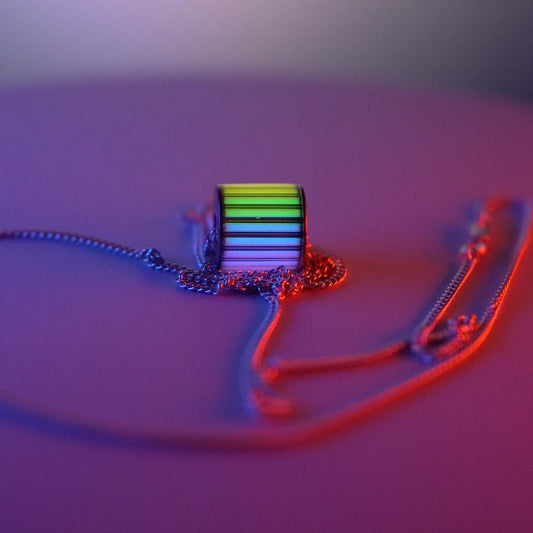
Opal Diamond Pendant A Stone That Refuses to Be Quiet
Opal Diamond Pendant A Stone That Refuses to Be Quiet
The first time I noticed an opal diamond pendant in the wild, it wasn’t in a jewelry store. It was at a casual dinner, low lighting, everyone half-distracted by their phones. Then the woman across the table leaned forward to laugh, and the stone at her neck flashed green, then blue, then a sudden streak of orange. It didn’t sparkle the way diamonds usually do. It flickered. I remember thinking, that thing is alive.
That’s really the difference. A diamond on its own is all about precision and control—sharp facets, calculated brilliance. An opal doesn’t care about that. It shifts. It surprises you. When you combine the two in a pendant, you get something that feels both grounded and unpredictable at the same time.
In the U.S. market, I’ve noticed more people gravitating toward jewelry that doesn’t feel mass-produced or overly formal. The classic diamond solitaire pendant still sells, obviously. It’s safe. It goes with everything. But “safe” isn’t always what people are after anymore. An opal diamond pendant sits in that interesting middle ground: it’s refined enough for everyday wear, thanks to the diamonds, but the opal keeps it from feeling corporate or stiff.
Opals themselves are tricky little things. Not all of them are created equal, and that matters more than most buyers realize. There’s a big difference between a milky, flat-looking stone and one that throws strong flashes of color from different angles. When I’m looking at an opal pendant, I tilt it. I don’t just glance at it under bright display lights. I move it around, because that’s how it’s actually going to live—on a moving body, catching sunlight, restaurant lighting, office fluorescents. A good opal should reward that movement.
The diamonds around it, or sometimes just accenting it, serve an interesting purpose. They frame the chaos. Without diamonds, an opal pendant can feel a bit bohemian, maybe even too earthy for someone who prefers a polished look. Add a halo of small diamonds or even just a few strategically placed stones on the bail, and suddenly it feels intentional. Elevated. The diamonds don’t compete with the opal; they give your eye a structure to land on before the color play pulls you in.
I’ll admit I used to think opals were fragile in a way that made them impractical. And yes, they’re softer than diamonds. You wouldn’t want one in a ring you bang against countertops every day. But as a pendant? That’s a different story. A necklace doesn’t take the same abuse as a ring. It rests against your chest, mostly protected. For someone who loves color but doesn’t want to baby their jewelry constantly, a pendant is actually a smart way to wear opal.
There’s also something quietly personal about opals. In the U.S., a lot of people associate them with October birthdays, but even beyond that, opals carry this reputation for individuality. No two are identical. That’s not marketing fluff—it’s just geology. Each stone has its own internal pattern. When someone picks an opal diamond pendant, they’re usually responding to a specific stone, not just the design. I’ve seen customers ignore three nearly identical settings because the color play didn’t “speak” to them, then instantly light up over one that flashed just the right mix of blues and reds.
I think that’s part of the appeal right now. We’re in a moment where people want things that feel chosen, not assigned. A diamond by itself can feel like a standard. An opal feels like a decision.
Styling-wise, I’ve seen opal diamond pendants worn in ways that surprise me. They’re not just for romantic, flowy outfits. I’ve seen one paired with a crisp white button-down and tailored trousers, and it worked beautifully. The softness of the opal against something structured creates tension—in a good way. On the flip side, layered over a simple black knit sweater, the flashes of color almost replace the need for any other accessory.
If I were advising someone (and I often do, whether they ask or not), I’d say pay attention to scale. Too large, and the opal can start to look costume-like, especially if the color is very bright. Too small, and you lose the magic. There’s a sweet spot where the stone is big enough to show movement but still subtle enough to feel wearable five days a week.
One thing I appreciate about an opal diamond pendant is that it doesn’t shout wealth in the way a large diamond might. It doesn’t read as flashy. It reads as interesting. That distinction matters to a lot of buyers now. They want quality, yes—but they don’t necessarily want to announce it from across the room.
When I think about the woman at that dinner, I don’t remember what bag she carried or what shoes she wore. I remember that flicker of color at her collarbone when she laughed. That’s the effect of a good opal diamond pendant. It doesn’t dominate your look. It waits for the right moment, then catches the light and reminds everyone—maybe even you—that jewelry can still surprise you.