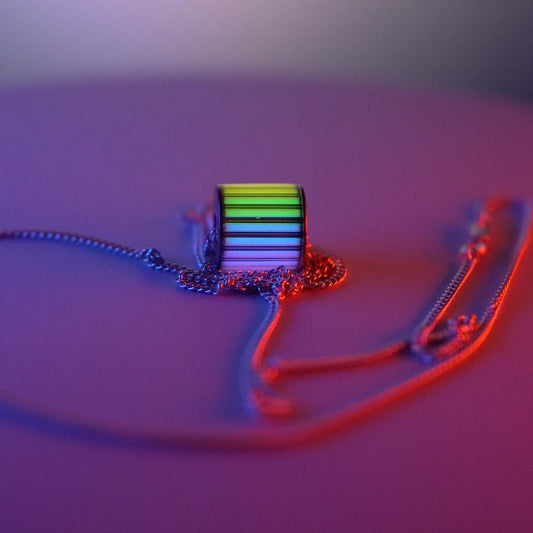
Tritium Gas Lamps Illuminating the Unseen Corners
Tritium Gas Lamps Illuminating the Unseen Corners
The first time I stumbled upon a tritium gas lamp, I was on a camping trip deep in the woods. My friend Jack, an avid outdoors enthusiast and a bit of a gadget hoarder, had brought along what appeared to be an unassuming little keychain. As night fell and our campfire dwindled to glowing embers, Jack casually pulled it out, and to my surprise, it glowed with a gentle, steady light—a quiet beacon amidst the darkness.
For those who aren't flashlight aficionados, a tritium gas lamp is a self-luminous light source. The magic behind this persistent glow is a radioactive isotope known as tritium, housed in tiny glass tubes lined with phosphorescent material. When the tritium decays, it emits beta particles that excite the phosphor, causing it to glow. These lamps can emit a soft light that lasts for over a decade without needing an external power source or any kind of recharging. It's a fascinating blend of science and utility that quietly challenges our reliance on batteries and electricity.
I have to admit, there's something slightly thrilling about holding a piece of technology that just works—silently and reliably, without the constant need to plug it in or replace batteries. In our fast-paced world, dripping with apps and notifications, the idea of a 'set it and forget it' light source feels almost liberating. Sure, it may not outshine a high-powered LED flashlight, but its understated glow is perfect for situations where you need a touch of light that doesn't overwhelm—like reading a map in the dark or finding your way back to your tent after an impromptu midnight visit to the makeshift restroom.
There are many places where tritium lamps find practical applications beyond camping. Watch enthusiasts, for instance, often appreciate watches with tritium lighting on their dials. Unlike luminous paint that must be recharged by ambient light, a tritium-lit watch will glow steadily throughout the night, a trustworthy companion on your wrist as you navigate time zones and late-night flights.
In some sports circles, tritium lights up gun sights with quiet efficiency, enabling accuracy even in low-light conditions. There's something elemental about having a light that works without a fuss, even in the most critical of moments. Perhaps that’s why it resonates with fans of minimalist design—a light source that exemplifies function distilled to its essence.
While tritium gas lamps have their niche, they aren't without their quirks. Given the radioactive nature of tritium, there's a level of regulation and care that goes into their production and disposal. However, outside of specific industries and applications, they remain relatively safe for personal use. It’s this blend of safety and long-lasting utility that keeps them popular amongst the right pockets of enthusiasts.
That night in the woods, as I held Jack's glowing keychain, it struck me how much we take light for granted. Yet, in that simple glow, there was a reminder of how far science has come in illuminating our lives—and how sometimes the most unassuming tools can shine the brightest.